

How does an Active Harmonics Filter compare with traditional power quality improvement methods?
Nov 10, 2026
Hey there! As a supplier of Active Harmonics Filters, I've seen firsthand how these devices are revolutionizing the way we handle power quality. In this blog, I'll compare Active Harmonics Filters with traditional power quality improvement methods to show you why they're a game-changer.
Understanding Power Quality Issues
Before we dive into the comparison, let's quickly go over what power quality issues are. Harmonics are one of the major culprits. They're basically unwanted frequencies that can mess up your electrical system. These harmonics can cause all sorts of problems, like overheating of equipment, reduced efficiency, and even interference with other electrical devices.
Traditional Power Quality Improvement Methods
Let's start by looking at the traditional methods of improving power quality.
Passive Filters
Passive filters have been around for a long time. They're made up of capacitors, inductors, and resistors. These components are designed to block or divert specific harmonic frequencies. The main advantage of passive filters is that they're relatively simple and inexpensive. However, they have some major drawbacks.
One big problem is that they're fixed in their operation. They're designed to target specific harmonic frequencies, so if the harmonic content in your electrical system changes, they may not work as effectively. Also, passive filters can sometimes interact with the electrical system in unexpected ways, leading to resonance issues.
Static Var Compensators (SVCs)
SVCs are another traditional method. They're used to control the reactive power in an electrical system. By adjusting the reactive power, SVCs can help improve the power factor and reduce voltage fluctuations. SVCs work by using thyristors to switch in and out different combinations of capacitors and inductors.
While SVCs can be effective in some situations, they also have limitations. They're not very good at dealing with fast-changing loads, and they can generate some harmonics themselves. Plus, they require a lot of space and maintenance.
Active Harmonics Filters: The New Kid on the Block
Now, let's talk about Active Harmonics Filters. These are a relatively new technology, but they're quickly gaining popularity. An Active Harmonics Filter uses advanced power electronics and control algorithms to detect and cancel out harmonics in real-time.
How They Work
The basic principle behind an Active Harmonics Filter is simple. It continuously monitors the electrical current in the system and analyzes the harmonic content. Then, it generates a compensating current that is equal in magnitude but opposite in phase to the harmonic current. This compensating current is injected into the system, effectively canceling out the harmonics.
Advantages of Active Harmonics Filters
- Real-time Compensation: One of the biggest advantages of Active Harmonics Filters is their ability to provide real-time compensation. They can adapt to changes in the harmonic content of the electrical system instantly, ensuring that the power quality remains high at all times.
- High Precision: Active Harmonics Filters can accurately target and cancel out specific harmonic frequencies. This means that they can provide a much higher level of power quality improvement compared to traditional methods.
- Flexibility: Unlike passive filters, Active Harmonics Filters are not limited to a specific set of harmonic frequencies. They can handle a wide range of harmonic frequencies, making them suitable for a variety of applications.
- Reduced Maintenance: Active Harmonics Filters have fewer moving parts compared to traditional methods like SVCs. This means that they require less maintenance and have a longer lifespan.
A Closer Look at the 100a Active Harmonic Filter
Our 100a Active Harmonic Filter is a great example of the benefits of Active Harmonics Filters. It's designed to handle a wide range of harmonic frequencies and can provide real-time compensation for both single-phase and three-phase systems.
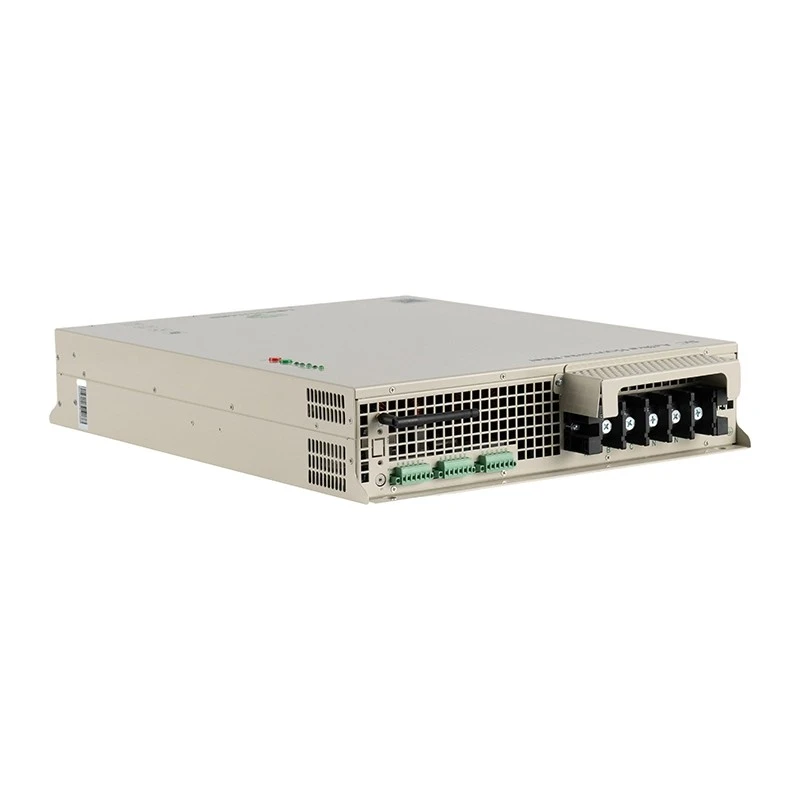

This filter is easy to install and can be integrated into existing electrical systems without any major modifications. It also comes with advanced monitoring and control features, allowing you to keep track of the power quality and adjust the filter settings as needed.
Active Power Harmonic Filter: A Powerful Solution
The Active Power Harmonic Filter is another great option for improving power quality. It's designed to provide high-performance harmonic compensation for industrial and commercial applications.
This filter uses advanced control algorithms to detect and cancel out harmonics, ensuring that your electrical system operates at its best. It also has a compact design, making it easy to install in tight spaces.
Making the Right Choice
So, which is better: Active Harmonics Filters or traditional power quality improvement methods? Well, it depends on your specific needs. If you have a relatively stable electrical system with a fixed set of harmonic frequencies, a passive filter or SVC may be a good option. However, if you have a complex electrical system with a wide range of harmonic frequencies or if you need real-time compensation, an Active Harmonics Filter is the way to go.
Conclusion
In conclusion, Active Harmonics Filters offer a number of advantages over traditional power quality improvement methods. They provide real-time compensation, high precision, flexibility, and reduced maintenance. If you're looking to improve the power quality of your electrical system, I highly recommend considering an Active Harmonics Filter.
If you're interested in learning more about our Active Harmonics Filters or if you have any questions about power quality improvement, don't hesitate to contact us. We'd be happy to help you find the right solution for your needs.
References
- IEEE Standard 519-2014, IEEE Recommended Practice and Requirements for Harmonic Control in Electrical Power Systems.
- Power Quality Handbook, by Roger C. Dugan, Mark F. McGranaghan, and Surya Santoso.