

What are the main components of a UPS harmonic filter?
Jun 08, 2026
Hey there! As a supplier of UPS harmonic filters, I'm super stoked to break down the main components of these nifty devices with you. UPS harmonic filters play a crucial role in keeping our electrical systems running smoothly, and understanding their components can help you make the best choices for your power needs.
Let's start with the basics. A UPS harmonic filter is designed to reduce the harmonic distortion in an electrical system. Harmonics are unwanted frequencies that can cause all sorts of problems, like overheating of equipment, interference with communication systems, and even damage to sensitive electronics. So, a good harmonic filter is like a superhero for your electrical setup, protecting it from these pesky harmonics.
1. Inductors
One of the key components of a UPS harmonic filter is the inductor. Inductors are basically coils of wire that store energy in a magnetic field. In a harmonic filter, inductors are used to block high - frequency harmonics while allowing the fundamental frequency (usually 50 or 60 Hz) to pass through. They act like a gatekeeper, only letting the good stuff through and keeping the bad harmonics out.
Inductors come in different shapes and sizes, and their values are measured in henries (H). The right inductor for a UPS harmonic filter depends on the specific requirements of the electrical system, such as the level of harmonic distortion and the load current. For example, in a small office setup, a relatively small - value inductor might be sufficient, but in an industrial environment with high - power equipment, a larger inductor may be needed.
2. Capacitors
Capacitors are another important part of the UPS harmonic filter. They store electrical energy in an electric field and are used to correct the power factor and filter out harmonics. Capacitors work in tandem with inductors to create a resonant circuit that can target specific harmonic frequencies.
The capacitance of a capacitor is measured in farads (F), and like inductors, the value of the capacitor needs to be carefully chosen based on the electrical system's characteristics. Capacitors can help to reduce the overall harmonic distortion by providing a path for the harmonic currents to flow, thus preventing them from flowing back into the electrical grid.
3. Resistors
Resistors are used in UPS harmonic filters to dissipate energy and dampen oscillations. They help to control the flow of current and prevent the filter from becoming unstable. Resistors are measured in ohms (Ω), and their value is selected to ensure that the filter operates efficiently.
In some cases, resistors are used in combination with inductors and capacitors to form a more complex filter circuit. For example, a resistor - capacitor (RC) or resistor - inductor - capacitor (RLC) circuit can be used to fine - tune the filter's performance and target specific harmonic frequencies.
4. Control Circuitry
The control circuitry in a UPS harmonic filter is like the brain of the operation. It monitors the electrical system for harmonic distortion and adjusts the filter's performance accordingly. The control circuitry can detect changes in the harmonic levels and make real - time adjustments to the filter's components, such as changing the capacitance or inductance values.
This is where technology really shines. Modern control circuits use advanced algorithms and microprocessors to analyze the electrical signals and make precise adjustments. They can also communicate with other devices in the electrical system, such as the UPS itself, to ensure that the entire system is operating at its best.
5. Enclosure
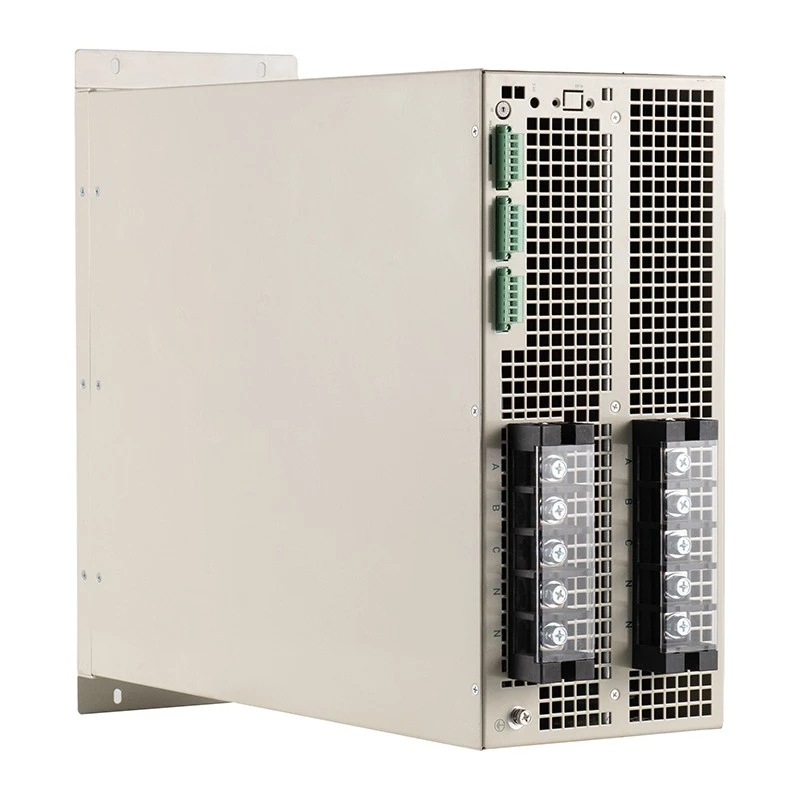
Last but not least, the enclosure is an important component of the UPS harmonic filter. It protects the internal components from environmental factors such as dust, moisture, and physical damage. The enclosure also helps to prevent electrical interference and ensures the safety of the filter.
Enclosures can be made from different materials, such as metal or plastic, depending on the application. They are designed to be sturdy and durable, and they often have features like ventilation holes to prevent overheating.
Now, I want to mention some of the products we offer. If you're looking for an Active Power Harmonic Filter, we've got you covered. Our active power harmonic filters are state - of - the - art, using the latest technology to effectively reduce harmonic distortion. And if you need an Active Harmonics Filter, we have a great selection that can be customized to your specific needs. For those with a particular requirement for a 100a Active Harmonic Filter, we offer a reliable and high - performance option.
If you're in the market for a UPS harmonic filter, whether it's for a small business, a large industrial facility, or anything in between, we'd love to have a chat with you. Our team of experts can help you choose the right filter for your needs and provide you with all the support you need. So, don't hesitate to reach out and start the conversation about your power quality requirements.

In conclusion, a UPS harmonic filter is a complex device made up of several key components, each playing a vital role in reducing harmonic distortion and ensuring the smooth operation of your electrical system. By understanding these components, you can make informed decisions when it comes to choosing the right filter for your application. And if you have any questions or need more information, just drop us a line. We're here to help you get the most out of your electrical system.
References
- Electrical Engineering textbooks on power quality and harmonic filtering
- Industry whitepapers on UPS harmonic filter technology